

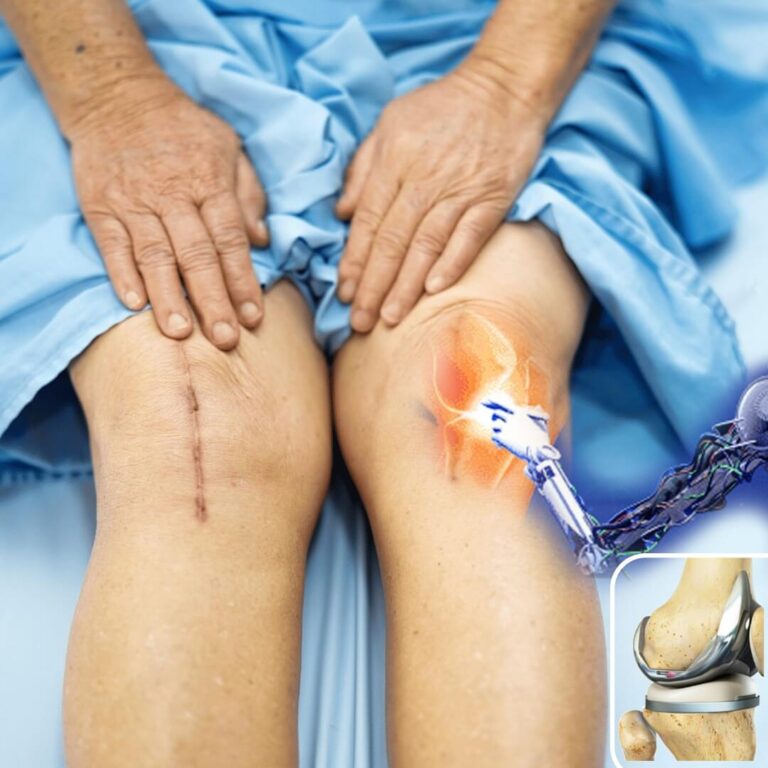
Robotic knee replacement surgery offers several advantages over traditional knee replacement procedures. Here are some key benefits:
- Enhanced Precision: Robotic technology assists the surgeon in achieving a high level of precision and accuracy during the procedure. This can lead to improved alignment of the implant, resulting in a more natural feel and better joint function.
- Personalized Treatment: Robotic systems allow for a customized surgical plan based on each patient’s unique anatomy. Preoperative imaging helps create a virtual model of the knee, enabling the surgeon to tailor the procedure to the individual’s specific needs.
- Optimal Implant Placement: The robotic system provides real-time feedback, allowing the surgeon to make fine adjustments and ensure optimal positioning and placement of the artificial joint. This can contribute to improved implant longevity and stability.
- Smaller Incisions and Reduced Trauma: Robotic-assisted surgery often involves smaller incisions compared to traditional open surgery. This can result in reduced tissue trauma, less blood loss, and potentially faster recovery times.
- Shorter Hospital Stay: Due to the precision and minimally invasive nature of robotic knee replacement, some patients may experience shorter hospital stays compared to conventional surgery. This can lead to a quicker return to daily activities and improved overall patient experience.
- Faster Recovery and Rehabilitation: The precise nature of robotic-assisted surgery can potentially lead to a faster recovery period. This may allow patients to engage in rehabilitation exercises and regain mobility at an accelerated pace.
- Reduced Postoperative Pain: Robotic systems can contribute to reduced tissue trauma and a more targeted approach, which may result in decreased postoperative pain and the need for less pain medication.
- Improved Long-Term Outcomes: By improving implant alignment and soft tissue balance, robotic knee replacement surgery aims to enhance the longevity and functionality of the artificial joint, potentially leading to better long-term outcomes for patients.
It’s important to note that the specific advantages of a robotic knee replacement may vary depending on the individual patient, the surgeon’s expertise, and the robotic system being used. Consulting with an orthopaedic surgeon experienced in robotic-assisted procedures can provide personalized insights into the potential benefits specific to your situation.
Add a Comment