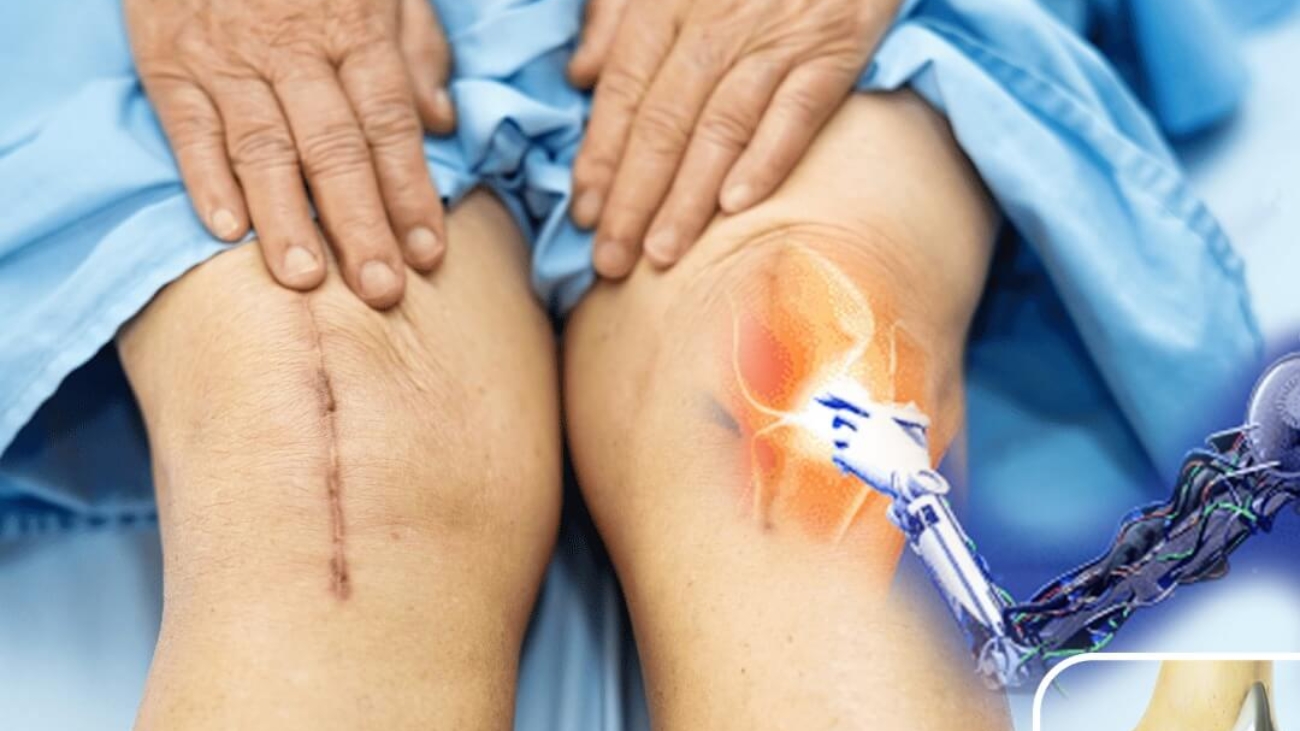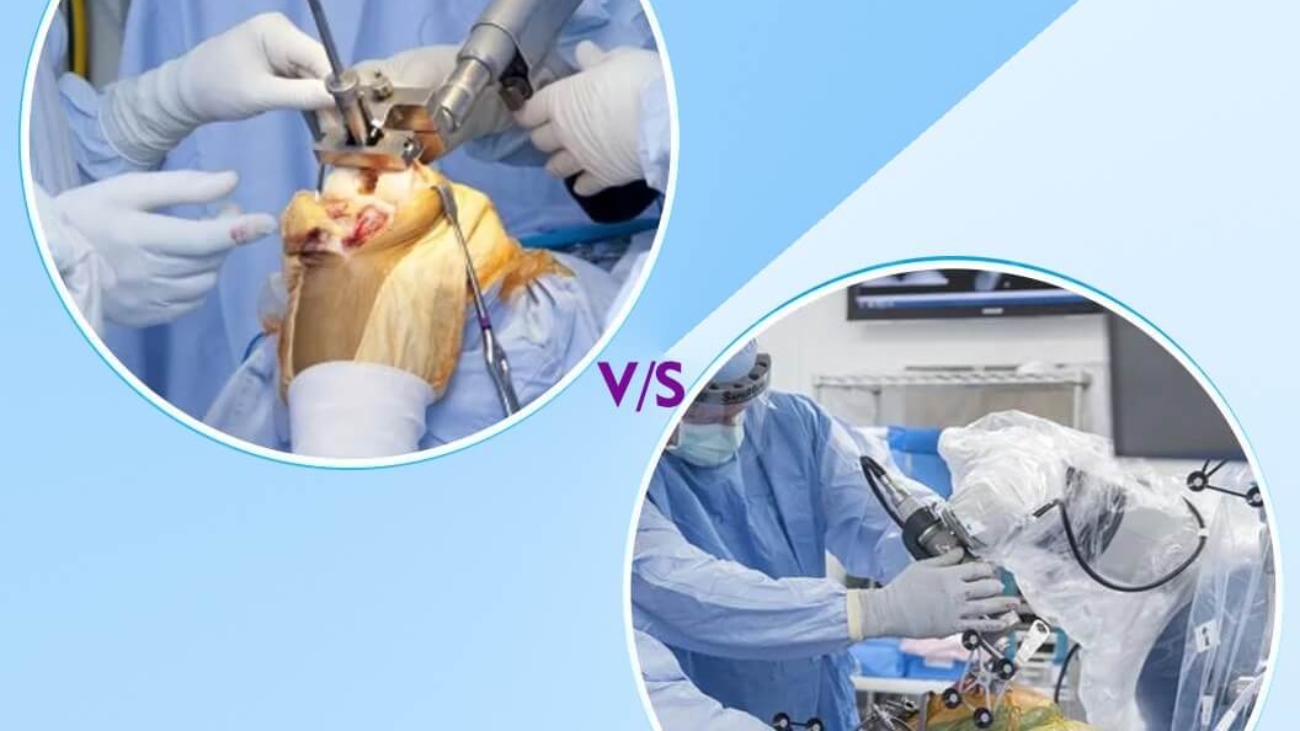


Robotic knee replacement surgery is an advanced procedure that utilizes robotic technology to enhance the precision and accuracy of knee replacements. It involves a robotic arm guided by a surgeon to position and place the prosthetic components with utmost accuracy. This personalized approach improves alignment, and joint stability, and potentially leads to better outcomes. Benefits include smaller incisions, reduced blood loss, faster recovery, and shorter hospital stays. While the surgeon’s skill remains crucial, robotic technology assists in achieving optimal results. On-going advancements continue to refine this technique, offering hope for improved knee pain relief and quality of life.
What is Robotic Knee Replacement?
Robotic knee replacement surgery is a procedure that shares similarities with traditional knee replacement surgery. In both cases, the surgeon removes damaged tissue from the knee joint and replaces it with an artificial joint. However, the key difference lies in the assistance provided by robotic technology during surgery.
During a robotic knee replacement, the surgeon utilizes a robotic arm or a handheld robotic device, depending on the specific robotic system being used. This technology assists the surgeon in performing the procedure with a higher level of precision and accuracy.
Robotic knee replacement surgery uses advanced technology for precise and accurate results, leading to shorter recovery times and improved outcomes. Consultation with your surgeon is crucial for personalized treatment planning.
Types of Robotic-Assisted Knee Replacements
There are various types of robotic-assisted knee replacements available. These systems utilize advanced robotic technology to assist surgeons in performing knee replacement surgeries with increased precision and accuracy. Here are some commonly used types:
- Mako Robotic-Arm Assisted Surgery
- NAVIO Surgical System
- ROSA Knee System
- Zimmer Biomet Robotic-Assisted System
Mako Robotic-Arm Assisted Surgery: The Mako system combines 3D imaging and a robotic arm to aid in surgical planning and precise implant placement. It provides real-time feedback and assists the surgeon in optimizing implant alignment and soft tissue balance.
NAVIO Surgical System: The NAVIO system utilizes a handheld robotic device to assist the surgeon in preparing the bone surface and accurately placing the implant. It offers real-time intraoperative feedback and allows for a customized surgical plan based on the patient’s unique anatomy.
ROSA Knee System: The ROSA Knee system integrates robotic technology with advanced imaging and software to create a 3D model of the patient’s knee. It assists the surgeon in planning and executing the procedure with improved accuracy and alignment.
Zimmer Biomet Robotic-Assisted System: This system combines robotic technology with a haptic feedback device that provides tactile guidance to the surgeon during bone preparation and implant placement. It aims to enhance surgical precision and reproducibility.
Each robotic-assisted knee replacement system has its own unique features and benefits. The choice of system depends on factors such as the surgeon’s expertise, the patient’s specific condition, and hospital availability. It is important to consult with your Orthopaedic surgeon to determine the most suitable robotic-assisted knee replacement system for your individual needs.
Who is Accepted for Robotic Knee Replacement?
Candidates for robotic knee replacement are individuals who suffer from chronic knee pain and limited mobility due to conditions such as severe arthritis, knee deformities, or joint damage. They may have exhausted non-surgical treatment options such as medication, physical therapy, or joint injections without achieving satisfactory results.
Specific criteria for candidacy may vary depending on the surgeon’s judgment and the requirements of the robotic system being used. Generally, suitable candidates for robotic knee replacement:
- Experience persistent knee pain that interferes with daily activities and quality of life.
- Have significant knee joint damage or arthritis that affects joint function.
- Have tried conservative treatments without achieving sufficient pain relief or improved mobility.
- Are in reasonably good overall health and do not have uncontrolled medical conditions that could pose additional risks during surgery.
- Have realistic expectations regarding the outcome of the surgery and are committed to post-operative rehabilitation and follow-up care.
To determine candidacy, an orthopedic surgeon will conduct a thorough evaluation that may include a physical examination, medical history review, imaging studies (such as X-rays or MRI), and possibly preoperative planning using the robotic system.
It’s important to consult with an experienced orthopedic surgeon who is familiar with robotic knee replacement to determine if you are a suitable candidate. They will assess your specific condition, medical history, and individual needs to provide personalized recommendations and guide you toward the most appropriate treatment option.