



















websiteSuggestion1 (2)

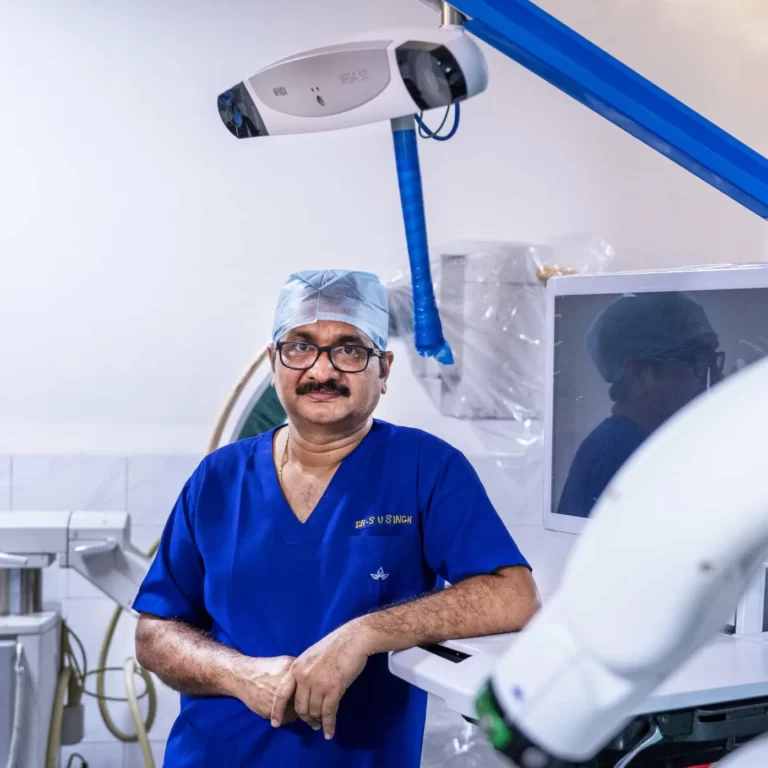
Dr. Surya Udai Singh is an innovative and groundbreaking Robotic orthopedic surgeon currently associated with Narayana Health RTIICS, Kolkata. He is expert in Robotic Knee Replacement (TKR) Surgery with the precision of cutting-edge robotic technology.

Dr. Surya Udai Singh

Robotic Knee Replacement Surgeon (TKR)
MBBS, MS, ITF Germany, DCF Seoul, POF

_DBA5211-min

About Doctor

Dr. Surya Udai Singh

Dr. Surya Udai Singh is an innovative and groundbreaking Robotic orthopedic surgeon currently associated with Narayana Health RTIICS, Kolkata. He is expert in Robotic Knee Replacement (TKR) Surgery with the precision of cutting-edge robotic technology. With a rich experience of over 22 years he has been providing the highest level of patient care, focusing on individual needs and goals.

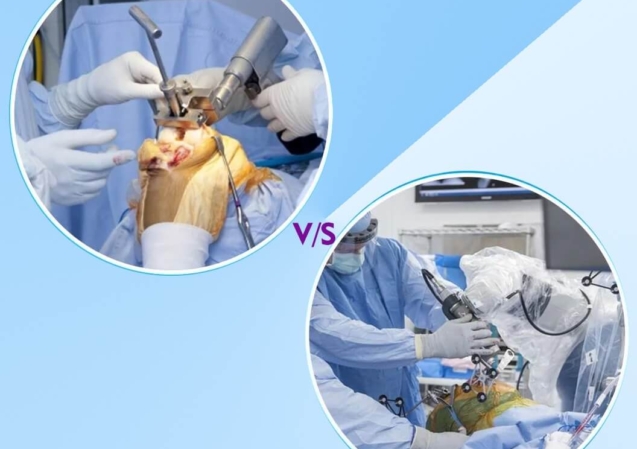
By utilizing state-of-the-art robotic systems, he performs complex procedures with utmost accuracy, ensuring optimal implant placement and joint alignment and patients get unparalleled precision, improved outcomes and faster recovery times.


PngItem_2650182
Group-772

Protection

Specialist Knee Replacement Services

Robatic_Machine-removebg-preview

Area of expertise

  • Robotic Knee Replacement
  • Total Knee Replacement
  • Total Hip Replacement
  • Arthroscopy

My Team

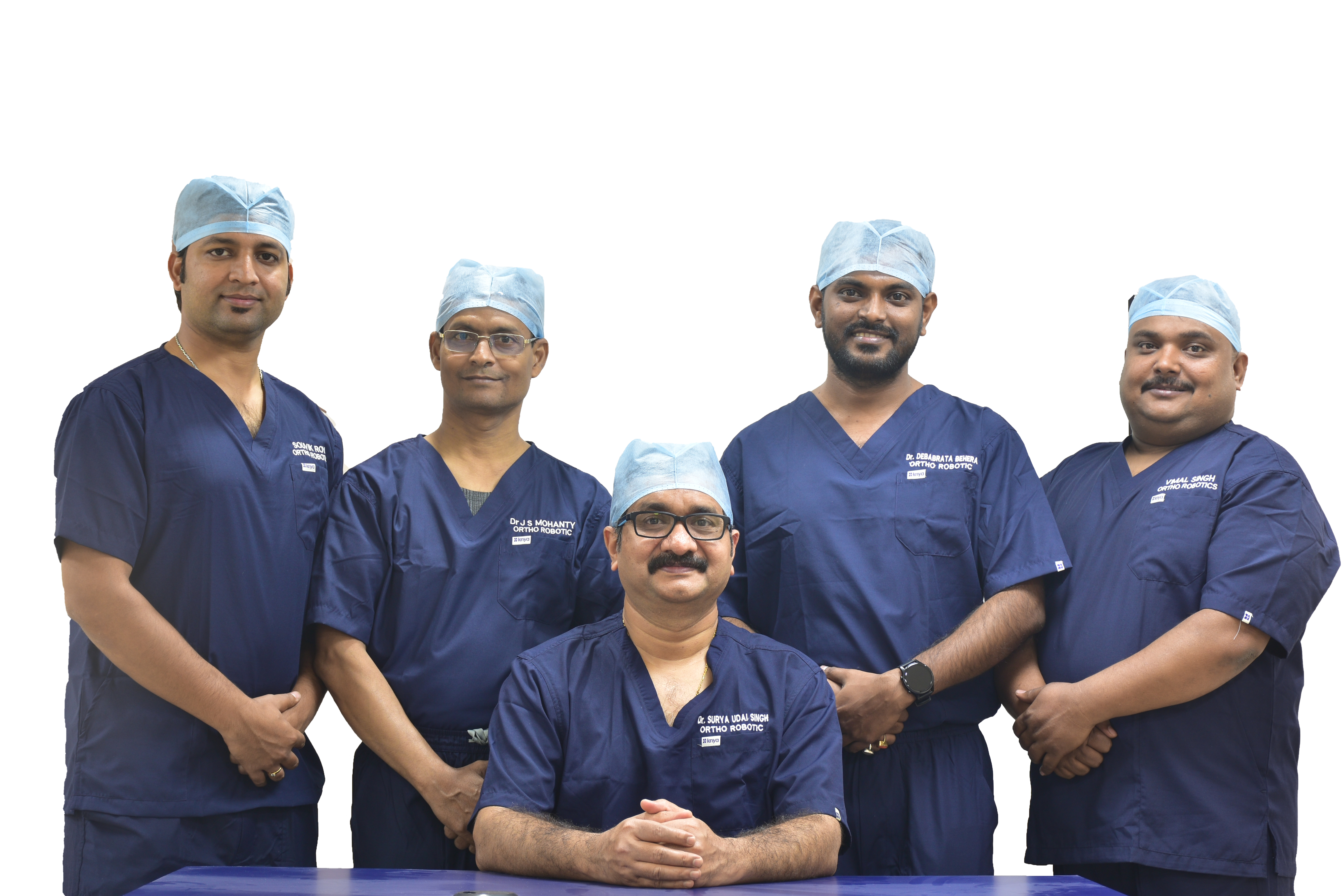
Together, we are committed to delivering outstanding orthopedic care and holistic healthcare services to our valued patients. Our utmost focus lies in ensuring your comfort, safety, and satisfaction throughout your treatment journey. Your health and wellness are paramount to us, and we eagerly anticipate the opportunity to serve you with excellence.

PngItem_2650182

FAQs

About knee replacement surgery

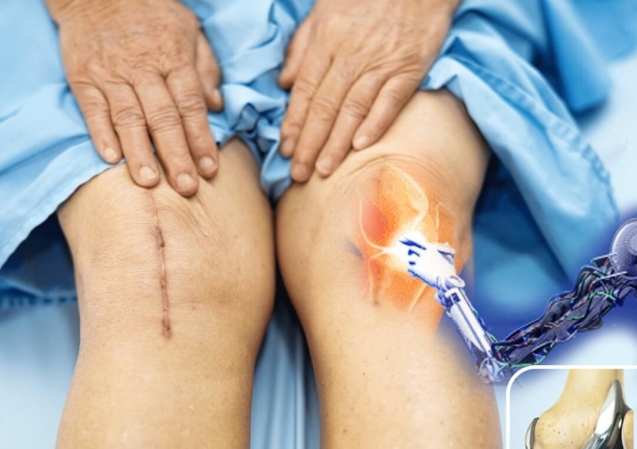
Knee replacement surgery is a medical procedure in which a damaged or arthritic knee joint is replaced with an artificial joint, typically made of metal and plastic, to reduce pain, improve mobility, and enhance the overall function of the knee.

A candidate for knee replacement surgery is someone who experiences significant knee pain, reduced mobility, and impaired quality of life due to conditions like osteoarthritis, rheumatoid arthritis, or severe knee injury, and whose symptoms have not responded

To prepare for knee replacement surgery, follow these steps:

  • Consult your surgeon: Discuss the procedure, medical history, and any medications you are taking.
  • Pre-operative assessments: Undergo blood tests, X-rays, and other required medical evaluations.
  • Medication adjustments: Follow your surgeon's instructions regarding medications and supplements.
  • Lifestyle changes: Engage in regular exercise, maintain a healthy diet, and quit smoking if applicable.
  • Pre rehabilitation: Strengthen your knee and surrounding muscles with prescribed exercises.
  • Plan post-surgery arrangements: Arrange for transportation and support during recovery at home.
  • Pre-surgery precautions: Follow fasting instructions and avoid food or drink before the operation.
  • Pre-admission appointment: Attend any pre-surgery appointments as instructed by the hospital.

The two main types of knee replacement surgeries are:

  • Total Knee Replacement (TKR): Involves replacing the entire knee joint surface with prosthetic components.
  • Partial Knee Replacement (PKR): Only the damaged portion of the knee joint is replaced with a prosthesis, preserving healthy tissue.

Knee replacement surgery typically takes around 1 to 2 hours to complete, but the exact duration may vary depending on the complexity of the case and the surgeon's approach.

During knee replacement surgery, patients are under anesthesia, so they do not experience pain during the procedure. After surgery, some discomfort is common, but pain is managed with medications and post-operative care. Pain levels vary for each individual, and advancements in pain management techniques aim to minimize discomfort during recovery.

The recovery time for knee replacement surgery varies from person to person, but most patients can expect to resume light activities within 6 to 12 weeks. However, recovering fully and returning to more vigorous activities may take 3 to 6 months. Adhering to rehabilitation and physical therapy guidelines can help expedite the recovery process.

Yes, physical therapy is crucial to the recovery process after knee replacement surgery. It helps to regain strength, flexibility, and mobility in the knee, enabling a faster and more successful recovery. Your surgeon will likely recommend a personalized physical therapy program to optimize your post-operative rehabilitation.

Typically, patients stay in the hospital for 1 to 3 days after knee replacement surgery, depending on their individual progress and the surgeon's assessment. Some people may be discharged earlier if they meet specific recovery milestones, while others may require a slightly longer hospital stay for monitoring and rehabilitation.

The timeline for returning to normal activities after knee replacement surgery varies among individuals. In general, most patients can resume light activities and daily routines within 6 to 12 weeks. However, engaging in more vigorous activities and sports may take up to 3 to 6 months, depending on the individual's progress and the advice of their healthcare team. It's crucial to follow the guidance of your surgeon and physical therapist to ensure a safe and successful recovery.

Typically, patients stay in the hospital for 1 to 3 days after knee replacement surgery, depending on their individual progress and the surgeon's assessment. Some people may be discharged earlier if they meet specific recovery milestones, while others may require a slightly longer hospital stay for monitoring and rehabilitation.

Resuming sports or high-impact activities after knee replacement surgery varies from person to person. While many patients can eventually engage in low-impact activities like swimming, cycling, or golfing, high-impact sports like running or basketball may not be recommended due to potential stress on the artificial joint. It's crucial to consult with your surgeon and follow their guidance to determine what activities are safe and appropriate for your specific case.

Yes, it is possible to have both knees replaced at the same time, a procedure known as bilateral knee replacement. However, this approach carries higher risks and may require a more extended recovery period. Your surgeon will assess your overall health and discuss the potential benefits and risks to determine if you are a suitable candidate for simultaneous bilateral knee replacement.

Yes, after knee replacement surgery, it's essential to adopt certain lifestyle changes to promote a successful recovery and long-term joint health. These may include maintaining a healthy weight to reduce stress on the knee, engaging in regular low-impact exercises, avoiding high-impact activities, following a balanced diet rich in nutrients, and adhering to your surgeon's recommendations for physical therapy and post-operative care. Additionally, protecting your knee from excessive strain and avoiding activities that may put undue stress on the joint can help preserve the longevity of the replacement

Our Mission


Our Blog

Latest From Our Blog

Know more about Robotic Knee Replacement and latest update......

Group-772

Doctor Latest Video

Testimonial

What Our Patients Say